You don’t have any Active Subscription. Subscribed with another email. Logout and Login with that one. Your active subscription(s) Account subscription benefits alongside Premium Stories, Editorials, Opinions and more.
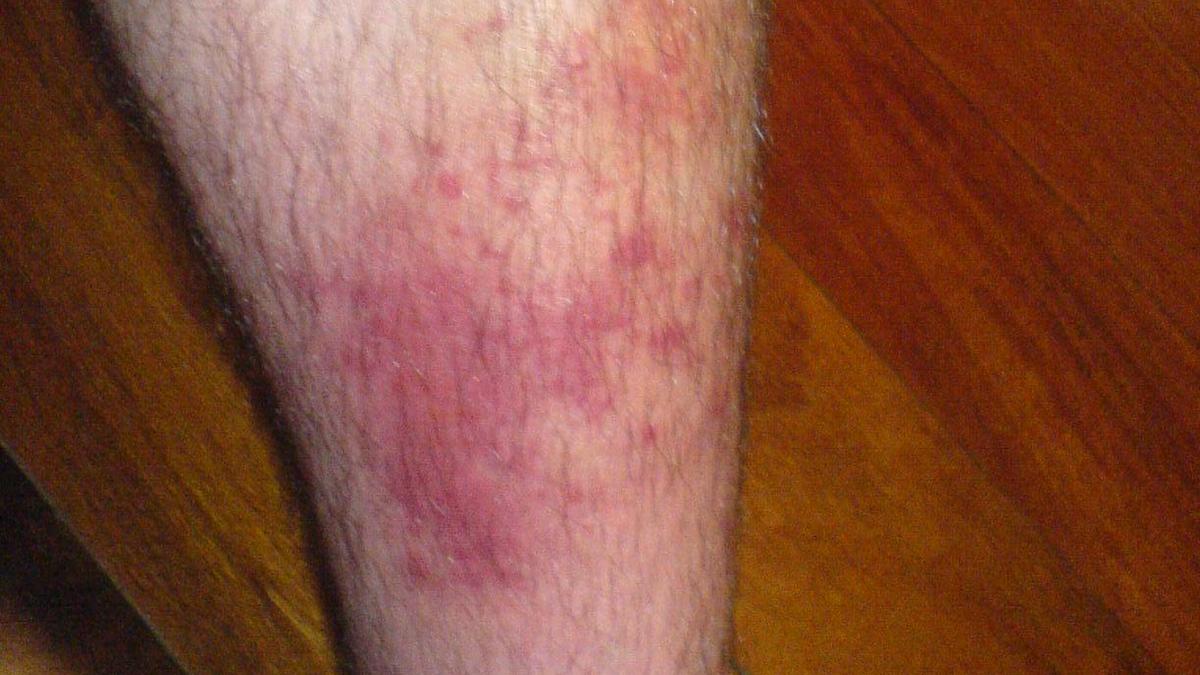
Unlock these with Subscription Products you've access to Additional Subscription Benefits Need help with your subscription. Updated - August 26, 2026 11:12 am IST Infected skin may appear slightly discoloured, and warm to touch.
As the infection spreads, the discolouration darkens and the skin swells and becomes tender. | Photo Credit: By RafaelLopez at the English-language Wikipedia, CC BY-SA 3. 0, https://commons. wikimedia. org/w/index. php.
curid=3224876 Cellulitis is a common bacterial infection that can be treated with a course of antibiotics. This skin infection is caused by a bacteria entering the system through broken skin, a wound or contracted by those with weak immune systems.
The infection can affect the subcutaneous tissues, and is commonly found to affect the legs, feet and toes but could occur on the face, arms, hands and fingers as well. If left untreated the infection could spread to the lymph nodes and the blood stream, requiring hospitalisation.
Cellulitis is a common skin infection caused mostly by streptococcus and staphylococcus bacteria. It can affect the tissues beneath the skin. Though it can affect any part of the body such as the face, arms, hands and fingers it usually affects the legs, feet and toes.
Cellulitis can also affect just one side of the body. Anyone can contract cellulitis, but persons with skin wounds, or compromised immune systems, which allows the bacteria to enter easily, are at higher risk. Poor skin hygiene may also be a contributing factor.
Cellulitis is not contagious but if untreated or if severe, it can spread to tissue under the skin, the lymph nodes and the bloodstream. Infected skin may appear slightly discoloured, and warm to touch. As the infection spreads, the discolouration darkens and the skin swells and becomes tender.
Apart from swelling and warmth, the infection could be painful. Affected persons could have fever, feel fatigued, experience chills, develop spots on the skin, blisters filled with fluid and dimpling of the skin. Treatment usually consists of a course of oral antibiotics.
Severe cases may need hospitalisation and IV antibiotics. Good skin hygiene can help prevent a relapse. It is necessary to wash hands regularly with soap and warm water.
Cleaning and trimming finger and toenails and thoroughly drying the skin after a shower, wearing clean clothes and keeping small wounds clean can prevent the infection. An observational study by Tripta S.
Bhagat, Luv Kumar, et al published in the The International Journal of Lower Extremity Wounds in March 2023 found that cellulitis was commonly seen in men, in the working age group. The mean age of those affected in the study was around 36 years.
The affected were in field jobs, and among them 50% of the time, the risk factor for the condition was trauma. Other factors included diabetes mellitus and smoking. The commonest complication was abscess.
While over half the persons required only conservative management the rest needed surgical intervention, requiring hospitalisation for five or more days.
A 2023 multi-centre clinical study on 247 individuals,The natural history of antibiotic-treated lower limb cellulitis: analysis of data extracted from a multicenter clinical trial, by three O.
Martin Williams, Fergus Hamilton and Richard Brindle, has thrown more light on how the bacterial infection is resolved.
The study found that while swelling reduced by half within 10 days of administering antibiotics and the size of the affected area also shrank to half its original size and a blood marker of the inflammation reached near-normal levels in all the participants, more than half the participants reported discomfort in the affected leg and around 14% of the participants said the pain was severe, ranking it 5 or greater on a scale of 1 to 10.
Residual symptoms can persist in some cases even after the course of antibiotics has been completed. Home treatments include warm compresses to reduce swelling, elevating the leg to improve blood flow, compression socks and walking to reduce discomfort.
Rest and refraining from touching the affected areas can also help. It is, however, important to consult a doctor to have cellulitis treated and essential to complete the entire course of treatment as prescribed, in order prevent progression and complications. (R.
Sujatha is an independent journalist based in Chennai. sujatha. raghunath@gmail. com) Published - January 01, 2026 03:39 pm IST All you need to know about Terms & conditions | Institutional Subscriber Comments have to be in English, and in full sentences. They cannot be abusive or personal.
Please abide by our community guidelines for posting your comments. We have migrated to a new commenting platform. If you are already a registered user of The Hindu and logged in, you may continue to engage with our articles. If you do not have an account please register and login to post comments.
Users can access their older comments by logging into their accounts on Vuukle.